
Licensed Florida real estate brokerage
Investment Property in Fort Lauderdale, FL
Investment Property in Fort Lauderdale and the surrounding area, with a licensed real-estate professional. No obligation.
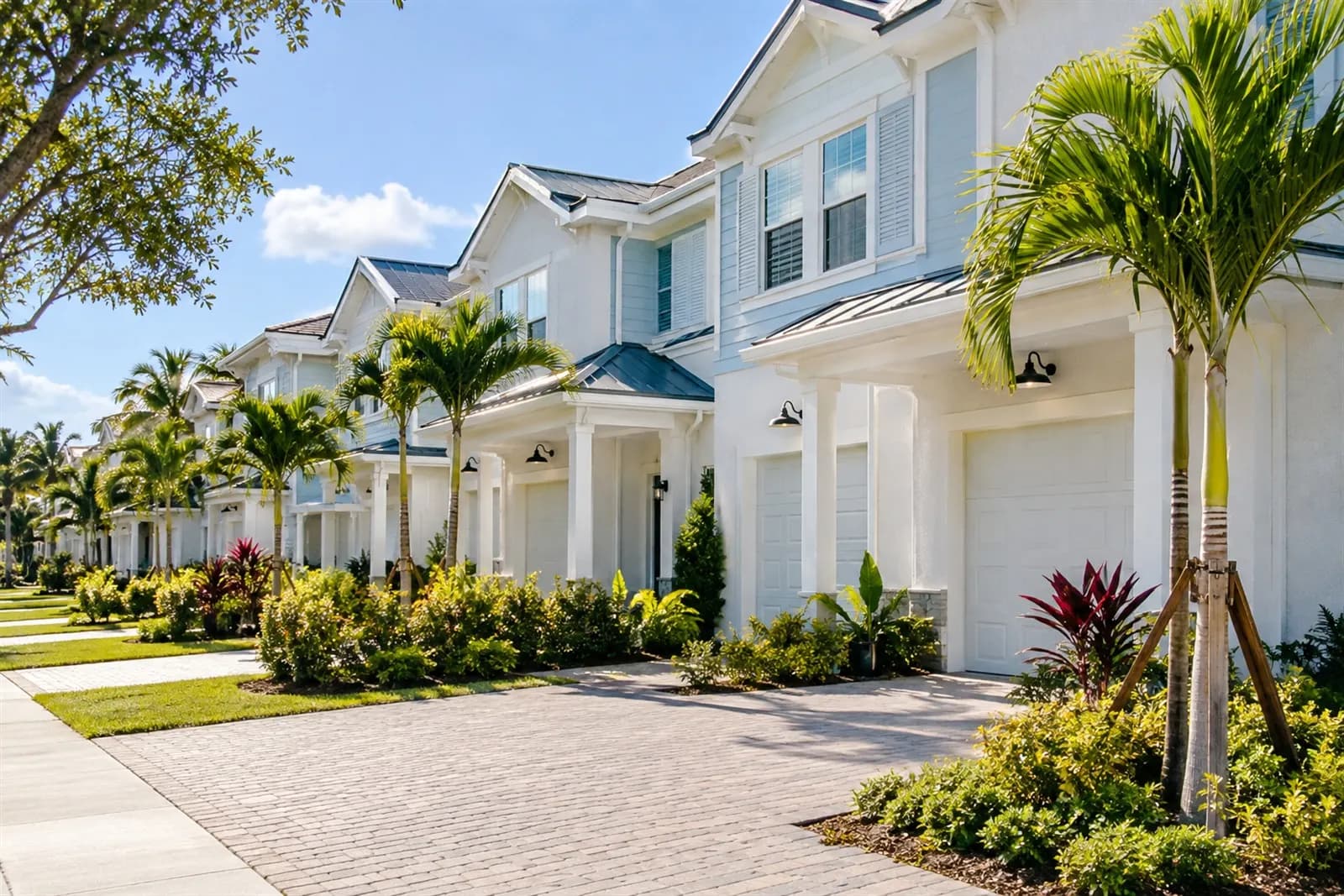
Fort Lauderdale is called the 'Venice of America' for its hundreds of miles of canals and Intracoastal frontage, and that geography shapes almost every investment decision here. FEMA flood maps, not intuition, determine flood zones, a lender generally requires flood insurance on a home in a Special Flood Hazard Area, and homes outside one can still flood. Salt air off the Atlantic and the canals also corrodes exterior hardware, hinges and lock cylinders faster than inland, so condition questions on a rental deserve real attention.
The housing stock is heavily mid-century: large numbers of 1950s–1970s concrete block and stucco homes on slab, plus beachfront and Intracoastal high-rise condominiums and newer townhomes and infill construction. The U.S. Census Bureau's ACS 5-year (2022) data puts the median year built around 1972, so most single-family rental candidates are roughly half a century old, and a slight majority of homes in the city are owner-occupied. Premier Real Estate Group Inc helps with searches for single-family rentals, condos, townhomes and small multifamily, comparable rents and sales, association rental restrictions, insurance and flood questions before the inspection period ends, and offers and closing for financed or cash purchases.
The costs that surprise investors in Fort Lauderdale are usually insurance and flood insurance, property-tax reassessment after purchase — the seller's homestead exemption and Save Our Homes savings do not carry over to you, and investment property instead falls under the non-homestead assessment cap for non-school taxes — and association rules. HOA and condominium documents may restrict leasing or short-term rentals, and in older mid-rise and high-rise buildings, milestone inspections and structural integrity reserve studies can drive special assessments. Local ordinances can also regulate vacation rentals and registration, and short-term rentals carry their own taxation and licensing obligations. No one can promise a return, and we won't.
What to know in Fort Lauderdale
Flood zone and flood coverage
Flood zones come from FEMA flood maps, and flood damage is generally excluded from standard homeowners policies, requiring separate NFIP or private coverage. With so much canal and Intracoastal frontage in Fort Lauderdale, confirm the zone and quote coverage during the inspection period.
Older homes and insurability
With a median year built near 1972 (Census), insurers commonly ask for a four-point inspection covering roof, electrical, plumbing and HVAC, and roof age and condition are frequently the deciding factor in whether coverage is offered at all.
Wind mitigation on an aging stock
Much of the single-family stock predates modern building codes, so documented features like roof-to-wall connections and impact-rated openings matter. A licensed inspector completes the uniform mitigation form OIR-B1-1802, which can support premium credits under s. 627.0629, F.S.
Condo milestone inspections and SIRS
Florida requires a milestone structural inspection for condominium and cooperative buildings three stories or taller once they reach 30 years (s. 553.899, F.S.) and a structural integrity reserve study for such buildings (s. 718.112(2)(g), F.S.). Ask for the association's milestone and SIRS reports before your inspection period ends.
Association approval and leasing restrictions
HOA and condominium associations may require buyer or tenant approval and estoppel certificates, and documents and budgets are part of due diligence. Approval is never guaranteed, so read the rental restrictions before you commit.
Tenant-occupied purchases
Buying occupied property usually means reviewing leases plus tenant estoppels or an assignment of leases, along with Chapter 83 landlord-tenant and security deposit rules.
Taxes after closing
Expect reassessment after purchase rather than the seller's prior tax figure, and confirm treatment with the county property appraiser and tax collector and your CPA.
How we help
- Build the searchWe search single-family rentals, condos, townhomes and small multifamily across Fort Lauderdale and, if it fits your criteria, elsewhere in Florida, since a Florida brokerage license is valid in every county.
- Pull comparablesWe assemble comparable rents and sales so your own underwriting rests on market data rather than guesswork; results depend on condition, location and association rules.
- Front-load due diligenceWe help you raise insurance, flood, association rental restriction and condo reserve questions before the inspection period ends, when you still have options.
- Coordinate paperworkPurchase contracts here are often as-is with an inspection period, and we help track seller disclosures, association document delivery, estoppel letters and lien searches at closing.
- Close financed or cashWe work through offers and closing for either structure, including entity purchases where the title company may ask for organizational documents and authority resolutions.
Florida rules and paperwork in Fort Lauderdale
Florida real estate is regulated by the Department of Business and Professional Regulation (DBPR), Division of Real Estate, under the Florida Real Estate Commission (FREC). Investors buying and selling for their own account are generally not required to be licensed, but anyone listing, selling, leasing or managing property for others for compensation must hold a Florida broker or sales associate license — verify license status with DBPR. Sellers must give buyers a flood disclosure (s. 689.302, F.S.), and the homestead exemption and its Save Our Homes cap apply to a primary residence through the county property appraiser, generally by March 1 of the year after moving in, not to an investment property. At closing, documentary stamp tax on the deed is 70 cents per 100 dollars of the price (s. 201.02, F.S.); with new financing, documentary stamp tax on the note is 35 cents per 100 dollars of the amount financed (s. 201.08, F.S.) and nonrecurring intangible tax is 2 mills (0.2%) of the mortgage (s. 199.133, F.S.). Who pays each item is set by the purchase contract and is negotiable; you can estimate with the free Florida Doc Stamp & Closing Tax Calculator at /tools/florida-closing-costs. FIRPTA withholding can apply where a seller is a foreign person — confirm with a Florida attorney and CPA.
Premier Real Estate Group Inc is a licensed Florida real estate brokerage (broker license BK3314523). Verify at Florida DBPR.
Timing and next steps
Acquisition activity in Florida tends to peak in winter and spring, off-season fall months often bring more motivated sellers, and 1031 exchange and year-end tax planning drive a fourth-quarter push. In Fort Lauderdale, the November–April snowbird season brings seasonal residents back and long-vacant homes reopen, while hurricane season runs June 1–November 30 and affects insurance binding and storm preparation. To talk it through, call (954) 703-4504 or send a request with the form on this page; a licensed real-estate professional — Premier Real Estate Group Inc or a licensed agent we refer you to — will contact you by phone or email. The consultation is free with no obligation.
We work with investment property throughout Fort Lauderdale, including Victoria Park, Rio Vista, Coral Ridge, Las Olas Isles, Colee Hammock, Sailboat Bend, Flagler Village, Imperial Point, Poinsettia Heights, Tarpon River, Croissant Park and Galt Ocean Mile, and in nearby Wilton Manors, Oakland Park, Lauderdale-by-the-Sea, Pompano Beach, Plantation, Dania Beach, Davie and Hollywood.
Investment Property in Fort Lauderdale: common questions
- Does the seller's low tax bill carry over to me?
- No. The homestead exemption and Save Our Homes benefit belong to a primary residence, and investment property falls under the non-homestead assessment cap for non-school taxes instead. Budget for reassessment after purchase and confirm figures with the county property appraiser and tax collector.
- Do I need flood insurance on a Fort Lauderdale canal property?
- It depends on the FEMA flood zone and your lender; a lender generally requires flood insurance in a Special Flood Hazard Area. Given the city's canals and Intracoastal frontage, treat flood coverage as a quote to obtain early, and remember homes outside a mapped zone can still flood.
- What should I ask for before buying a condo unit here?
- Request the association's milestone inspection and structural integrity reserve study reports where the building is three stories or taller, along with budgets, documents and the estoppel certificate. Those filings can signal special assessments in older coastal and Intracoastal buildings.
- Can I use the property as a short-term rental?
- Only if the association documents allow it and local ordinances permit it; short-term rentals also carry taxation and licensing obligations. Verify with the city, the county tax collector and a Florida attorney before you rely on that plan.
- Why do insurers ask for extra inspections on older homes?
- With much of the stock dating from the 1950s–1970s, insurers commonly request a four-point inspection of roof, electrical, plumbing and HVAC, and a wind mitigation inspection can support premium credits. Amounts vary by insurer; confirm requirements with your insurance agent and, for market-of-last-resort questions, with Citizens Property Insurance Corporation and the Florida Office of Insurance Regulation.
Investment Property in nearby cities
Tell us what you're looking for — Fort Lauderdale
Budget, property type and area. A licensed real-estate professional will contact you.
Licensed brokerage
Premier Real Estate Group Inc
Broker of record Maxim Bohadana, Florida broker license BK3314523
(954) 703-4504