
Licensed Florida real estate brokerage
Your real estate agent for renting out a property in Plantation, FL
Rent Out Your Property in Plantation and the surrounding area, with a licensed real-estate professional. No obligation.
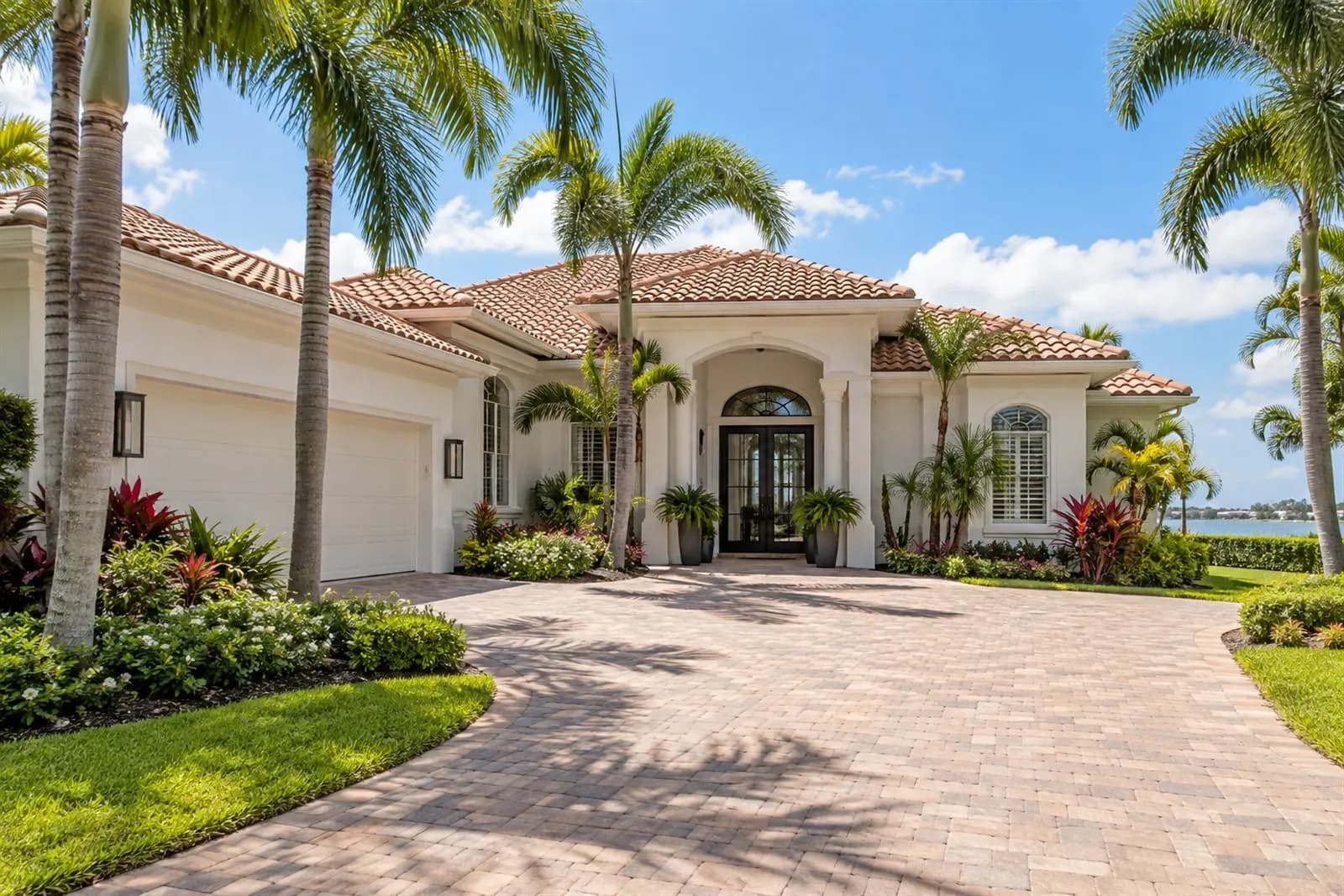
Plantation's typical home was built around 1982, according to the Census, and most homes here are owner-occupied, so many rental owners are renting out a house they once lived in. In Plantation, the work of marketing, screening and leasing a property for an owner is done by a Florida-licensed broker or sales associate. Look for someone whose license you can verify on the DBPR website, who screens every applicant by the same written criteria, and who understands 1960s-1990s block-and-stucco homes, townhomes and condos.
Premier Real Estate Group Inc is a licensed Florida brokerage, and a Florida brokerage license is valid in every county. After you send a request, Premier Real Estate Group Inc or a licensed agent we refer you to will contact you by phone or email. We start with a free consultation and no obligation.
Plantation's housing mix shapes how a rental is prepared. Single-family homes from the 1960s-1990s often have tile or shingle roofs and original systems, and townhomes, villas and mid-rise condos sit along the major corridors. Gated entries and HOA-governed communities are common, including golf-course developments, so association rules on leasing can matter as much as the home itself. In western areas like Plantation Acres, driveway gates and long driveways add equipment that a tenant will expect to work after summer storms. Broward County's hurricane exposure also means you should settle who handles storm preparation before a tenant moves in.
What to know in Plantation
HOA or condo approval
Associations may require tenant screening or board approval, and their documents may set minimum lease terms or limit the number of rentals. Read the governing documents before you advertise, and verify what each association requires.
Insurance on an older home
With a median build year around 1982, insurers may ask for a four-point inspection of the roof, electrical, plumbing and HVAC. Roof age and condition are often the deciding factor in whether coverage is offered, so confirm your policy permits renting.
Flood zone and flood history
FEMA flood maps set the zone, and homes outside a Special Flood Hazard Area can still flood. Standard homeowners policies generally exclude flood damage, so ask your insurance agent about NFIP or private flood coverage and expect tenants to ask about flood history.
Wind and storm readiness
Plantation is in Broward County's hurricane zone, and garage doors, gates and openers are judged on wind rating as well as function. A wind-mitigation inspection on form OIR-B1-1802 can document features that may support insurance credits.
Humidity and equipment wear
Year-round moisture and the May-October storm pattern wear on garage door hardware, gate operators, lock cylinders, dryer vents and duct systems. A move-in condition report helps document these items at the start of the lease.
Lease length and short-term rules
Rentals of six months or less are generally treated as transient and may trigger state sales tax, local tourist development tax and DBPR licensing. Verify with the Department of Revenue and DBPR before choosing a short-term plan.
Fair housing in ads and screening
Advertising and tenant selection must follow federal and Florida fair housing law. Written criteria applied the same way to every applicant protect both you and applicants.
How we help
- Rent analysis from comparablesA licensed professional reviews comparable rentals to help you set a asking rent. Results depend on condition, location, association rules and the market at the time, and nothing is promised.
- Marketing and showingsWe prepare listing materials that follow fair housing rules and arrange showings, so you are not handling inquiries on your own.
- Consistent tenant screeningEvery applicant is screened against the same written criteria. Approval is never assured, since it depends on each application and on any association review.
- Florida lease and deposit handlingWe prepare a written Florida lease, handle the security deposit under Chapter 83, Part II, and give the written notice about how the deposit is held. Lead-based paint disclosure is included for pre-1978 housing.
- Association coordination and move-in documentationWe help coordinate HOA or condo approval paperwork and document the property's condition at move-in.
Florida rules and paperwork in Plantation
Property owners may lease their own property without a license, but anyone who markets, shows, leases or manages a rental for an owner for compensation generally must hold a Florida broker or sales associate license. Verify any license with the Florida Department of Business and Professional Regulation (DBPR), Division of Real Estate, under the Florida Real Estate Commission. Chapter 83, Part II governs residential tenancies, including deposits, notices, access and termination, so follow the statutory notice and claim timelines after a tenancy ends. Federal lead-based paint disclosure applies to housing built before 1978, which can include some older Plantation homes. Condo and HOA documents may require approval or an estoppel certificate. For condo buildings three stories or taller, Florida requires milestone structural inspections at 30 years (s. 553.899, F.S.) and structural integrity reserve studies (s. 718.112(2)(g), F.S.), so ask the association for those reports. If you live in the home now, confirm with the Broward County property appraiser how renting affects your homestead exemption, and check your mortgage terms. A lease itself is not a deed or a mortgage, so closing taxes generally come up only if you later buy or sell. In that case the deed documentary stamp tax is 70 cents per 100 dollars of the price, and who pays is set by the contract and is negotiable. Try the free Florida Doc Stamp & Closing Tax Calculator at /tools/florida-closing-costs. Verify details with the Department of Revenue and a Florida attorney.
Premier Real Estate Group Inc is a licensed Florida real estate brokerage (broker license BK3314523). Verify at Florida DBPR.
Timing and next steps
Owners typically list annual rentals in spring and summer to match tenant demand, and prepare seasonal rentals in late summer and early fall ahead of winter. Atlantic hurricane season runs June 1 to November 30, so build storm-preparation responsibilities into the lease and your insurance review. Seasonal residents also return in the dry winter months. Timing and results are never guaranteed, and they depend on the property, its condition and its price. To talk it through, call (888) 440-3766 or send a request with the form on this page.
We can help with rentals in Plantation Acres, Plantation Isles, Jacaranda, Jacaranda Lakes, Lauderdale West, Plantation Gardens, Plantation Midtown, the Sunset Strip corridor, Central Park and Plantation Park, and nearby in Sunrise, Davie, Fort Lauderdale, Lauderhill, Lauderdale Lakes, Weston, Cooper City and Tamarac.
Rent Out Your Property in Plantation: common questions
- Do I need a license to rent out my own home in Plantation?
- Florida generally allows owners to lease their own property without a license. Anyone who markets, shows, leases or manages it for you for compensation generally needs a Florida broker or sales associate license, which you can verify with DBPR.
- Will my Plantation HOA or condo association need to approve my tenant?
- Possibly. HOA and condominium associations may require tenant screening or approval, set minimum lease terms or limit rentals, and gated communities are common in Plantation. Read your association documents first and verify requirements with the association. We cannot promise approval.
- Does the age of homes in Plantation affect renting one out?
- It can. The Census median build year is around 1982, so insurers may ask for a four-point inspection and a roof review. Homes built before 1978 also trigger the federal lead-based paint disclosure.
- Should I check flood insurance before renting?
- Yes. Look up the property's FEMA flood zone and ask your insurance agent about flood coverage, because standard homeowners policies generally exclude flood damage. Florida sellers give buyers a flood disclosure (s. 689.302, F.S.), and tenants may still ask about flood history.
- What does the free consultation cover?
- It covers your goals, a rent analysis from comparable rentals, association rules and the lease process. There is no obligation, and a licensed professional will contact you by phone or email.
Tell us about your rental property — Plantation
Where it is, its size and when it's available. A licensed real-estate professional will contact you.
Licensed brokerage
Premier Real Estate Group Inc
Broker of record Maxim Bohadana, Florida broker license BK3314523
(888) 440-3766