
Licensed Florida real estate brokerage
Your real estate agent for moving to florida in Plantation, FL
Moving to Florida in Plantation and the surrounding area, with a licensed real-estate professional. No obligation.
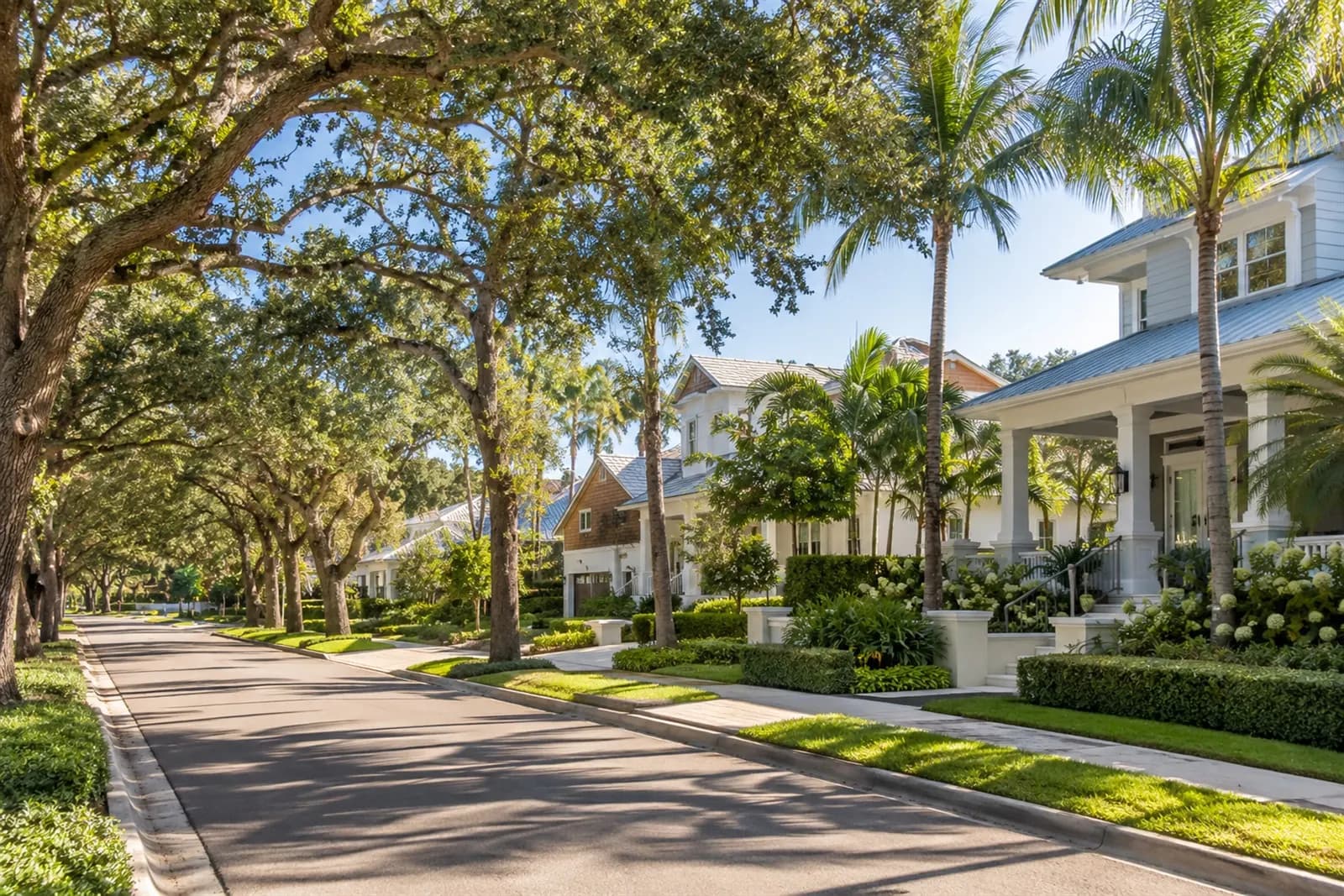
Plantation is a market where, per the U.S. Census Bureau, the typical home dates from the early 1980s, and where western areas like Plantation Acres sit near canal-side and Everglades-adjacent land. If you are choosing who to hire for a move here, look for a Florida-licensed broker or sales associate you can verify on the DBPR website. They should be able to explain flood zones, insurance inspections and association approval for older block homes, townhomes and condos before you commit.
Premier Real Estate Group Inc is a licensed Florida real estate brokerage. The broker of record is Maxim Bohadana, Florida real estate broker license BK3314523, verifiable on the Florida DBPR website. A Florida license is valid statewide. Your request may be handled by Premier Real Estate Group Inc or referred to a licensed agent, who will contact you by phone or email. The first consultation is free and carries no obligation.
Plantation is in Broward County's hurricane zone, so the age of a home matters. Census data puts the median year built in the early 1980s, and local housing is mostly 1960s to 1990s concrete block and stucco with tile or shingle roofs. For insurance, that makes roof condition, a four-point inspection and wind-mitigation features central to the decision, and hurricane season runs June 1 to November 30. The west side, including Plantation Acres, has larger lots and gated driveways, while corridors such as the Sunset Strip have townhomes, villas and mid-rise condos. Each type brings different paperwork: flood zone checks for houses, association approval and reserve reports for condos. Most homes here are owner-occupied, according to the Census, which is worth knowing if you plan to rent first.
What to know in Plantation
Flood zone and flood insurance
Flood zones come from FEMA maps, and a lender generally requires flood insurance in a Special Flood Hazard Area. Homes outside one can still flood, and standard homeowners policies generally exclude flood damage.
Older homes and insurance availability
With many homes dating from the 1960s to 1980s, insurers commonly ask for a four-point inspection of the roof, electrical, plumbing and HVAC. Roof age and condition are often the deciding factor in whether coverage is offered at all.
Wind-mitigation credits
A licensed inspector can document features such as roof-to-wall connections and impact-rated openings on form OIR-B1-1802. These may support premium credits, depending on the insurer.
HOA and condo approval
HOA-governed and gated communities are common here, and associations may require buyer or tenant approval and estoppel certificates. Approval is never assured, so confirm the association's process before you rely on a move date.
Condo milestone and reserve reports
For condo buildings three stories or taller, Florida requires a milestone inspection at 30 years and a structural integrity reserve study. Ask for these reports before committing to a mid-rise unit.
Buying remotely
Relocating buyers often start with video tours and remote showings. Even so, an in-person inspection of the roof, garage door, gate hardware and drainage matters in this humid, storm-prone climate.
How we help
- Compare areasA licensed professional can compare Plantation neighborhoods and nearby cities by commute, housing type and amenities, so you narrow the search before you travel.
- Video tours and remote showingsWe can arrange video tours and remote showings so you can review homes and condos from out of state, then plan an in-person visit for the finalists.
- Rent first or buy firstWe talk through the trade-offs of renting first versus buying first, including how association approval can affect either path.
- Florida insurance basicsWe explain how flood coverage, four-point inspections and wind-mitigation reports fit into a purchase, and when to bring in your insurance agent.
- After closingWe remind you to apply for the homestead exemption with the Broward County property appraiser once Plantation is your permanent residence.
Florida rules and paperwork in Plantation
A Florida purchase or lease involves a brokerage relationship disclosure, the contract or lease, seller disclosures including the residential flood disclosure (s. 689.302, F.S.), HOA or condo documents and approval applications, and closing documents. Insurance should be bound before closing. On closing taxes, the documentary stamp tax on the deed is 70 cents per 100 dollars of the price, the documentary stamp tax on a new mortgage note is 35 cents per 100 dollars of the amount financed, and the nonrecurring intangible tax on a new mortgage is 2 mills. Who pays each item is set by the purchase contract and is negotiable. You can estimate these with the free Florida Doc Stamp & Closing Tax Calculator at /tools/florida-closing-costs. Florida's homestead exemption reduces the taxable value of a primary residence and caps assessment increases under Save Our Homes. The owner applies to the county property appraiser, generally by March 1 of the year after moving in. Homestead portability applies only to a prior Florida homestead. Verify license status with the DBPR Division of Real Estate, and confirm tax questions with the property appraiser, the Florida Department of Revenue, and a Florida attorney or CPA.
Premier Real Estate Group Inc is a licensed Florida real estate brokerage (broker license BK3314523). Verify at Florida DBPR.
Timing and next steps
Relocation inquiries across Florida tend to peak in winter and early spring, when seasonal visitors are in state. In Plantation, demand for home preparation and repairs also climbs from late May through October with hurricane-season activity. Starting your search early gives you room to schedule inspections and association paperwork. To talk it through, call (888) 440-3766 or send a request with the form on this page. A licensed real-estate professional will contact you by phone or email.
Beyond Plantation Acres, Plantation Isles, Jacaranda, Jacaranda Lakes, Lauderdale West, Plantation Gardens, Plantation Midtown, Central Park and Plantation Park, we can also help you compare nearby Sunrise, Davie, Fort Lauderdale, Lauderhill, Lauderdale Lakes, Weston, Cooper City and Tamarac.
Moving to Florida in Plantation: common questions
- Do I need an agent based in Plantation?
- No. A Florida real estate license is valid statewide, so a Florida-licensed agent can help you in Plantation. Out-of-state agents generally cannot perform brokerage services in Florida without a Florida license, so verify any agent's status with DBPR.
- Will I need flood insurance for a Plantation home?
- It depends on the property's FEMA flood zone. A lender generally requires flood insurance in a Special Flood Hazard Area, and homes outside one can still flood. Check the zone and talk to an insurance agent before you commit.
- Why does the age of Plantation homes matter for insurance?
- Census data shows the median home here was built in the early 1980s, and insurers commonly ask for a four-point inspection on older homes. Roof age and condition often decide whether coverage is offered. Confirm requirements with your insurance agent.
- What should I ask about a condo in Plantation?
- Ask for the association's milestone inspection and structural integrity reserve study reports if the building is three stories or taller. Also ask about buyer or tenant approval and the association's budget and documents.
- When do I apply for the homestead exemption?
- If the home becomes your permanent residence, you apply to the Broward County property appraiser, generally by March 1 of the year after you move in. Confirm the details with the property appraiser.
Tell us about your move — Plantation
Where you're headed, when, and whether you'll buy or rent. A licensed real-estate professional will contact you.
Licensed brokerage
Premier Real Estate Group Inc
Broker of record Maxim Bohadana, Florida broker license BK3314523
(888) 440-3766